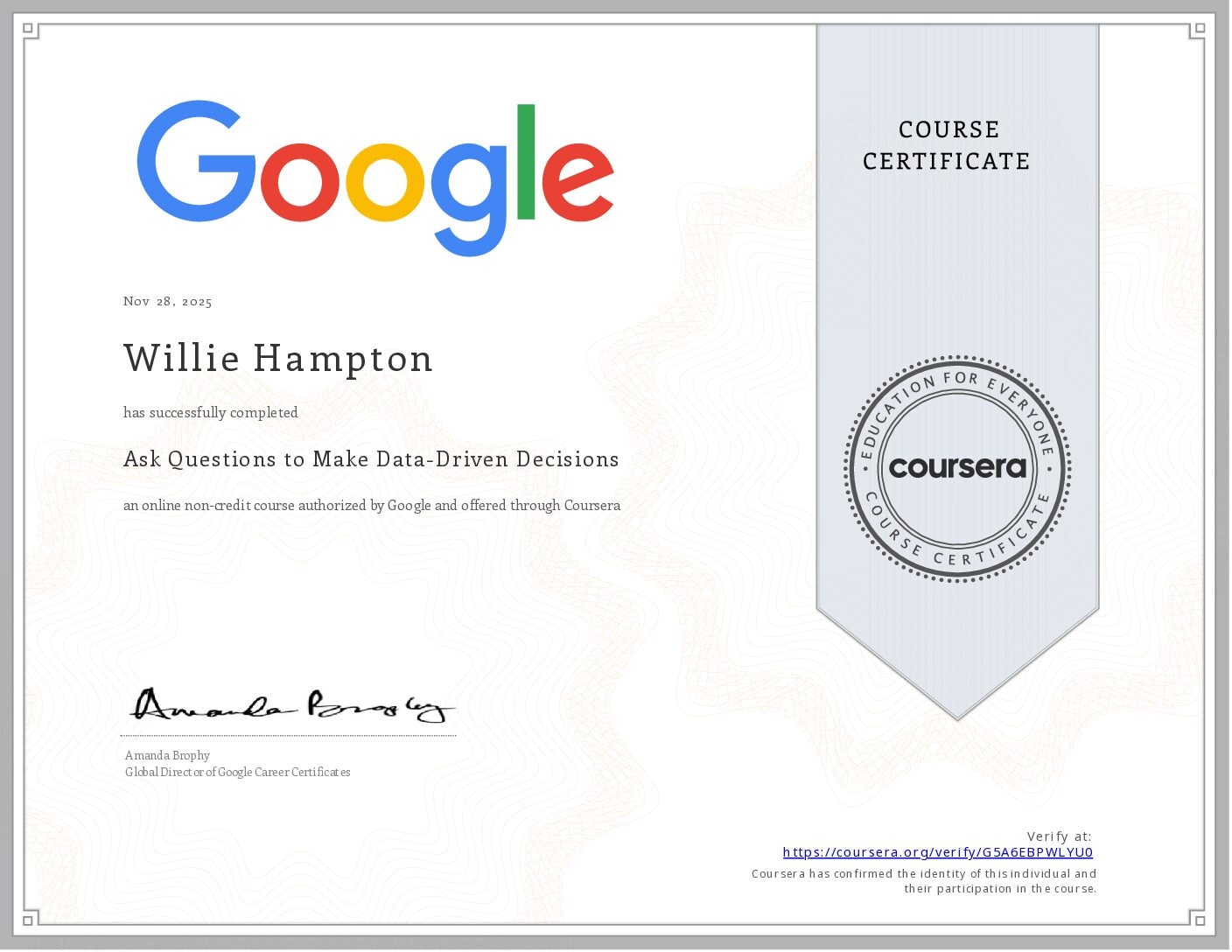
Professional Credentials: As a Certified Recovery Specialist and data analyst, I leverage professional-grade analytical frameworks to help individuals navigate the intersection of gambling, financial decision-making, and personal recovery.
The Foundation: Data Over Emotion
The single most important shift a gambler can make — whether recreational or serious — is moving from emotion-driven decisions to data-driven ones. This is not simply about picking better numbers or finding better lines. It is about building a systematic approach to every financial decision that touches gambling activity.
Most people who struggle financially with gambling do not lose because they are unlucky. They lose because they lack a framework — a consistent, repeatable process for deciding when to play, how much to risk, and when to stop. The data is clear on this: undisciplined play is the primary driver of problem gambling outcomes, not the games themselves.
The Three Pillars
1. Bankroll Architecture
Treat your gambling budget as a separate financial entity with its own rules. Define a fixed allocation — money you can genuinely afford to lose — and never cross that line regardless of perceived opportunity. This is not a suggestion; it is the structural foundation of sustainable play.
2. Session Discipline
Every session should have a defined entry point, a win target, and a loss limit — set before you begin, not in the moment. The moment you are in action is the worst time to make financial decisions. Pre-commitment is the mechanism that separates disciplined players from those who chase losses.
3. Record-Keeping and Review
Data you do not track cannot be analyzed. Keep a simple log of every session: date, game, starting bankroll, ending bankroll, and any notes on conditions or decisions. Review this log monthly. Patterns that are invisible in the moment become obvious over time.
The Recovery Dimension
For individuals who have experienced problem gambling, the framework above is necessary but not sufficient. Recovery requires addressing the psychological and behavioral patterns that drove the problem in the first place. As a Certified Recovery Specialist, I work with individuals to build the cognitive tools — not just the financial ones — that support lasting change.
The data-driven approach is not about eliminating gambling from your life if that is not your goal. It is about ensuring that gambling occupies its appropriate place within a broader financial and personal framework — one where you remain in control.
Resources
If you or someone you know is struggling with problem gambling, the National Council on Problem Gambling helpline is available 24/7: 1-800-522-4700. Text and chat options are also available at ncpgambling.org.
By HamptonInt. The author is a Certified Recovery Specialist and data analyst. This article is for informational purposes only and does not constitute financial or clinical advice.
Stay Updated
Subscribe to our newsletter and get the latest updates, news, and offers straight to your inbox.